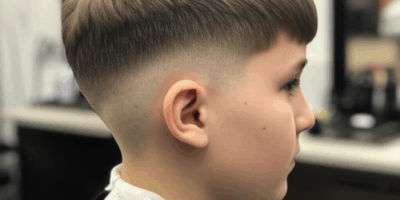
First haircuts for kids have gotten complicated with all the parenting opinions flying around. As someone who has done more kid’s first cuts than I can count in a busy barbershop, I learned everything there is to know about making that experience go smoothly. Today, I will share it all with you.
Let me tell you something they don’t put in the parenting books. That first haircut? It’s really about the parents. The kid has no idea what’s happening. But you? You’re about to watch someone put scissors near your baby’s head and you’re going to feel things. Knowing what to expect makes it easier for everyone.
When Is the Right Time?
There is no magic age. I’ve trimmed three-month-olds who came out of the womb with a full head of hair. I’ve seen two-year-olds who barely had enough to trim. Every kid is different, and anyone telling you there’s one right answer is making it up.
Signs Your Kid Actually Needs a Cut
Hair is consistently falling in their eyes and they’re swatting at it. They’re pulling at their hair because it bugs them. It looks messy no matter what you do to style it. The tangles have turned into a daily wrestling match at bath time.
Social pressure plays a role too, and I’m not going to pretend it doesn’t. Grandma keeps commenting. Other kids at daycare look tidier. Wanting your child to look neat is perfectly valid — don’t let anyone make you feel guilty about it.
The Typical Timeline
Most first cuts happen between six months and two years. Really early ones — under six months — are usually just evening out uneven patches. By age two, most kids benefit from an actual shape. But seriously, there’s no deadline here.
Where to Get It Done
Probably should have led with this section, honestly. Where you go matters more than almost anything else for a first haircut.
Kids’ Salons
They exist for a reason, and that reason is screaming toddlers. Car-shaped chairs, cartoons on every screen, stylists who specialize in tiny humans who don’t sit still. Yes, they cost a bit more. Worth every penny for a first cut.
Do your research. Read reviews that specifically mention first haircuts. Some places are great with older kids but less experienced with toddlers. You want the ones where the staff doesn’t flinch at a full meltdown.
At Home
Some parents prefer cutting at home, and that’s totally fine if you’ve got the patience and basic skills. The familiar environment helps a lot of kids stay calm. The downside? If you mess up, you’re on your own.
If you go this route, get proper kid-safe scissors. Have another adult there to keep the kid entertained. And keep your expectations low — a simple trim is all you need to accomplish. This isn’t the time to attempt a complicated style.
Mobile Stylists
A newer option that combines professional skill with home comfort. They bring everything to your house. Availability depends on where you live, but if you can find one who specializes in kids, it’s a great middle ground.
Preparing Your Kid
Preparation is the single biggest factor in how this goes. Do NOT spring it on them as a surprise.
Get Them Familiar
Visit the salon ahead of time without getting a cut. Let them sit in the chair, look at the tools, watch other kids getting their hair done. New environments scare toddlers. Familiar environments don’t. Simple as that.
Play haircut at home. I know it sounds silly, but pretend to cut their hair. Comb it, style it, talk through what happens at a real haircut. Toddlers respond incredibly well to role-play because it turns the unknown into something they’ve already “done.”
Timing Is Everything
After nap time. AFTER. Not before, not during. A tired toddler has the emotional regulation of a… well, of a tired toddler. There’s no reasoning with exhaustion. Mid-morning tends to be the sweet spot — plenty of energy, not overstimulated yet.
Don’t schedule near meals either. Hungry plus nervous equals disaster. Bring snacks for during the cut too. Cheerios work great. Chocolate does not.
Your Supply Kit
Their favorite toy or comfort object. A tablet with their favorite show loaded and ready. Snacks that won’t create a mess. And a change of clothes for afterward, because those tiny hair clippings get everywhere and some kids hate the itchy feeling.
During the Actual Cut
Your energy sets the tone. Kids read their parents like a book. If you’re clenching your jaw and holding your breath, they’ll pick up on it instantly. Relax. Or at least fake it convincingly.
Where Should You Be?
A lot of salons let parents hold toddlers during the cut. This provides security. Some kids actually do better with the parent slightly out of view though — they perform and act up for mom and dad but settle down with the stylist alone. Every kid is different. Talk to the stylist about it; they’ve seen every scenario.
The Power of Distraction
Screen time during a haircut isn’t lazy parenting. It’s strategic genius. A good video keeps the head relatively still and the mind occupied with something other than the unfamiliar sensations happening on their scalp.
If they’re old enough for conversation, talk to them. Ask about their favorite things, what they did today, what they want for lunch. Continuous engagement keeps their focus away from the scissors.
When the Tears Come
Some crying is totally normal. Don’t panic. Your stylist has survived far worse than your kid’s meltdown, I promise. Brief reassurance helps — “You’re doing great, this doesn’t hurt at all” — but don’t overdo it. Too much attention to the fear can accidentally reinforce it.
If it gets really bad? Stop. A partial haircut is fine. An uneven trim is fine. You can come back another day. What’s NOT fine is forcing through a traumatic experience that makes them fear haircuts for the next five years.
What Actually Happens
First cuts are fast. Five to ten minutes for a simple trim. Stylists who work with little ones prioritize speed over perfection, because every extra minute is another chance for things to go sideways.
Don’t expect salon-quality results from a client who can’t sit still and keeps grabbing at things. The goal is basic shape and neatness. That’s it. Instagram-worthy styling can wait until they’re old enough to sit in a chair without squirming.
Save Those Clippings
Most salons will save a lock of hair for you. Bring a small envelope or ziplock bag just in case they don’t have one. I know it seems sentimental, but I’ve never met a parent who regretted keeping that first lock. I’ve met plenty who regretted not keeping it.
Capture the Moment
Photos. Before, during, and after. Even if there were tears and snot and complete chaos. You’ll want these memories later. That’s what makes first haircuts endearing to us barbers — the imperfect, messy, emotional reality of it. Many salons also provide little certificates or commemorations.
After the Cut
Celebrate. Ice cream, the playground, a special activity — whatever makes your kid feel like they accomplished something huge. Because they did. That post-cut treat creates positive associations that carry into future visits.
Praise them regardless of how it went. Even if there were tears the entire time, they sat through it. That’s brave for a tiny human facing something completely new. Acknowledge that.
Setting Up Future Success
The first haircut sets the pattern. Get it right — or at least not traumatic — and you’ve got a kid who looks forward to salon visits. Get it wrong and you’re dealing with resistance for years.
Stick With the Same Stylist
Familiarity is everything for kids. Same stylist means building trust over time. The stylist learns your kid’s quirks, and your kid learns what to expect. That relationship is golden.
Keep a Regular Schedule
Every six to eight weeks, even if the hair doesn’t look terrible yet. Regular, short visits normalize the whole experience way better than occasional dramatic cuts where a lot of hair comes off at once.
When It All Goes Wrong
Sometimes first haircuts are disasters despite perfect preparation. Total meltdown. Complete refusal. Everyone leaves stressed. It happens to the best parents with the best kids in the best salons.
Wait a few weeks. Try again. Different approach — maybe a different place, different time of day, different distractions. What failed once might work the second time around.
Some kids need an extremely gradual approach. Visit one: just walk in and look around. Visit two: sit in the chair for a minute. Visit three: one single snip. Visit four: a real trim. It takes longer, but it works for the especially anxious ones.
Never force a haircut so hard it creates lasting fear. Uneven hair grows back in weeks. A bad association with haircuts can last years. Keep that perspective.
The Big Picture
First haircuts matter more than they should on paper. The hair itself is almost beside the point. What you’re really doing is creating a memory and establishing a pattern that’ll shape your kid’s relationship with grooming for years to come.
Prepare well, stay calm even when it’s chaos, celebrate after, and remember that even the most disastrous first haircuts become hilarious family stories eventually. Every barber has a collection of these stories, and they all end the same way — the kid turned out just fine.