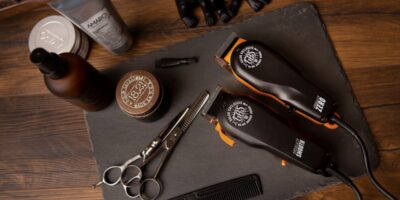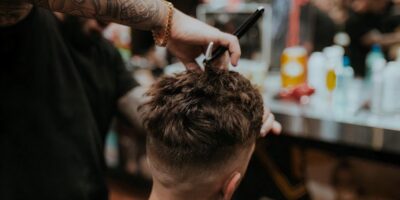
Finding your perfect haircut has gotten complicated with all the style guides, influencers, and contradictory advice flying around. As someone who has spent years behind the barber chair helping guys figure this exact thing out, I learned everything there is to know about matching the right cut to the right person. Today, I will share it all with you.
I can’t count the number of times a guy has sat down in my chair, pulled up a photo on his phone, and said “give me this.” And then I have to have the conversation. Because the cut in that photo was designed for a completely different face, a completely different hair type, and probably styled by a team of professionals for a photoshoot. That doesn’t mean you can’t look great — it means you need a cut designed for YOU.

Why Most Haircuts Disappoint
You’ve done this before. Showed your barber a photo, they executed it perfectly, and somehow it still didn’t look right on you. The barber didn’t fail. The CHOICE failed. The haircut wasn’t designed for your specific combination of face shape, hair type, and daily reality.
A cut that looks incredible on one person can look completely wrong on another. The difference comes down to three things: face shape, hair type, and lifestyle. Get those three factors dialed in and you’ll never leave a barbershop disappointed again. Let me walk you through each one.
Understanding Your Face Shape
Your face shape determines which cuts will balance your features and which ones will throw them off. Most guys fall into one of six categories, and figuring out yours is step one.
Oval Face
The golden ticket. Length is about one and a half times the width, with a gently rounded jawline. If this is you, congratulations — most haircuts work on your face without much thought. You can experiment freely from buzz cuts to longer flowing styles.
Best styles: honestly, almost anything. Textured crop, side part, quiff, flow — try them all and find what matches your personality.
Round Face
Similar width and length, with soft angles and full cheeks. The game here is adding definition and creating the illusion of length. Whatever you do, avoid anything that adds width to the sides.
Best styles: height on top with shorter sides. Pompadour, high fade, textured styles with volume up top. Skip bowl cuts or anything with equal length all around — that just makes the circle more circular.
Square Face
Strong jawline. Forehead, cheekbones, and jaw all roughly the same width. You’ve got naturally masculine features, which is great. The goal is to complement them without turning your head into a box.
Best styles: slightly longer on top with texture to soften the angular features. Messy fringe, textured crop, side-swept styles. Short buzz cuts can work but sometimes emphasize the boxiness. Texture is your friend here.
Rectangular/Oblong Face
Like square but stretched vertically. You want to avoid adding more length and instead create some width.
Best styles: keep the top shorter than you might want. Side-parted styles with some volume on the sides help balance things out. Avoid tall pompadours or anything that adds height — you’ve already got plenty of vertical.
Heart/Triangle Face
Wider forehead tapering to a narrower chin. You want to minimize the forehead width and add some visual weight to the lower part of your face.
Best styles: medium-length styles that cover part of the forehead. A side fringe, textured layers, or deliberately messy styles help balance proportions. Slicked-back looks that expose the full forehead? Those will emphasize exactly what you’re trying to balance.
Diamond Face
Narrow forehead and jawline with wider cheekbones. Relatively uncommon and needs styles that add width up top and at the chin.
Best styles: fringe that adds forehead width, side parts with volume. Avoid very short sides that just make the cheekbone width more dramatic.
Understanding Your Hair Type
Probably should have led with this section, honestly. Even the perfect face-shape cut can fail spectacularly if it doesn’t work with what’s actually growing out of your head. Here’s how to work with what you’ve got.
Thick Hair
Lots of strands packed tight. Holds styles well but gets bulky fast and can feel like a helmet. You need cuts that strategically remove weight.
That’s what makes thick hair endearing to us barbers — the potential is incredible, but it needs managing. Ask for thinning or texturizing. Undercuts work exceptionally well because they clear out the bulk from the sides. Regular trims prevent the helmet effect.
Fine/Thin Hair
Smaller strand diameter or fewer strands overall. Volume and fullness are your constant battles. You need cuts that create the illusion of more hair.
Skip heavy products that weigh things down. Shorter styles often look fuller than longer ones. Textured cuts create movement that the eye reads as volume. A proper blow-dry technique can literally double perceived thickness.
Straight Hair
Lies flat. Looks sleek or limp depending on the cut. Shows every detail of the cut clearly, so precision matters way more than with other textures.
Clean lines and sharp fades look excellent. Messy styles need product to hold because the hair won’t create texture on its own. Very short cuts can look flat — keeping some length helps.
Wavy Hair
Natural movement and texture built right in. Versatile but can go unruly if cut wrong.
Work WITH the wave. Medium-length styles showcase it best. Too short and you lose the wave entirely. Too long and it gets wild. Find a barber who cuts wavy hair specifically — not every barber understands wave patterns.
Curly Hair
Defined spirals or coils that require specialized cutting. Shrinks significantly when dry, which trips up barbers who don’t know what they’re doing.
Always get it cut dry, or at minimum by someone who deeply understands curl shrinkage. Layers beat blunt cuts every time. Moisture is everything for definition. And stay away from thinning shears — they create frizz nightmares in curly hair.
Coily Hair
Tight coils or zigzag patterns. Shrinkage can be 75% or more from wet to dry, which means what looks like an inch of length might actually be four inches stretched.
Find a barber experienced specifically with coily hair. Keep it moisturized to prevent breakage. Protective styles help maintain length. Regular trims prevent split ends from traveling up the shaft and causing bigger problems.
The Lifestyle Factor
Let’s be honest about this part. A haircut that demands twenty minutes of daily styling won’t work if you’ve got five minutes before you need to walk out the door.
The Zero-Effort Guy
Shower, towel dry, leave. No products, no styling, no fuss. I respect this approach. Best option: keep it short. Buzz cuts, crew cuts, very short textured crops. Zero daily effort required. Just come in every two to three weeks to maintain it.
The Five-Minute Guy
Willing to spend a few minutes with product but nothing elaborate. Medium-length styles with texture are your zone. A little clay or paste, run your fingers through, done. Skip anything requiring a blow dryer.
The Style-Conscious Guy
You enjoy the process and don’t mind spending fifteen to twenty minutes. The entire menu is open to you. Pompadours, precise side parts, quiffs — anything requiring blow-drying and careful product work is within reach.
Your Work Environment
Conservative office? Keep it clean and classic. Creative industry? More freedom to experiment. Know your environment and cut accordingly. No hairstyle is worth friction at work unless you’re prepared for the conversation.
Active Lifestyle
Gym daily, swimming regularly, wearing helmets or hats? Shorter styles survive athletics better. Longer styles die in sweat and lose shape fast. Factor your activity level into the decision.
How to Talk to Your Barber
All this knowledge is useless if you can’t communicate it in the chair.
Bring Multiple Photos
One photo isn’t enough. Bring three to five showing similar styles from different angles — front, side, back. Make sure the people in the photos have hair similar to yours. This gives your barber a complete picture instead of a single snapshot.
Tell Them What You Hate
What bothers you about your current hair? Too bulky? Cowlick won’t cooperate? Neck hair grows like weeds? Understanding your frustrations helps them address them directly.
Ask Questions
What would they recommend for your face shape? What’s the maintenance going to look like? How do you style it yourself? A good barber welcomes these questions. If they seem annoyed, that tells you something about whether they deserve your loyalty.
Be Specific About Length
Never say “just shorter.” Say “about an inch off the top” or “number two on the sides.” If you don’t know the numbers yet, point to where you want the length to end. Specificity prevents miscommunication.
Speak Up During the Cut
See something going wrong? Say it now. Right now. Not after you’ve paid and left. It’s infinitely easier to adjust mid-cut than to fix a finished mistake. Your barber wants you happy. They won’t be offended.
Building a Barber Relationship
The best haircuts come from barbers who know your hair over time.
Stay With One Person
Every barber has a different cutting style. Bouncing around means starting from zero each time. Find someone whose work you like and commit.
Show Up Regularly
Every three to four weeks. This keeps your cut in good shape and lets your barber maintain the style rather than rebuilding it from scratch. Consistency makes both your lives easier.
Give Real Feedback
“The sides were perfect but the top was a bit short last time.” That kind of specific feedback helps them dial in your ideal cut over multiple visits. Be honest. They can handle it.
Tip Well
Good barbers remember clients who appreciate their work. Standard is fifteen to twenty percent, but going higher for exceptional service builds a relationship that benefits you long-term. It’s not a bribe — it’s an investment in consistently great hair.
Mistakes I See Every Week
Changing Everything at Once
Going from long hair to a buzz cut in one appointment is risky. Make gradual changes so you can adjust if something isn’t working. Dramatic shifts don’t allow for course correction.
Fighting Your Natural Part
Your hair grows in a specific pattern. Forcing it against that pattern means more product, more effort, and more frustration every morning. Work with your natural growth, not against it.
Chasing Trends Blindly
Just because a style is all over social media doesn’t mean it works for YOUR face and YOUR hair. Evaluate every trend against your specific situation before sitting down in the chair.
Waiting Too Long Between Cuts
A great haircut deteriorates week by week. By week six, it looks nothing like it did when fresh. Regular maintenance isn’t optional if you care about looking good consistently.
Putting It All Together
Finding your perfect haircut is a process. Not a one-time event. Start by identifying your face shape and hair type honestly. Factor in your lifestyle and how much daily effort you’re actually willing to commit — not how much you wish you’d commit, but what’s realistic.
Find a skilled barber. Develop a relationship with them. Communicate clearly. Give feedback.
Within three to four cuts, you’ll have something dialed in that looks great, fits your life, and makes you actually enjoy looking in the mirror. That’s not vanity. That’s just taking care of yourself.
Seasonal Adjustments
Your ideal cut might shift with the seasons. Summer calls for shorter styles — they’re cooler, dry faster after swimming, and don’t trap sweat. A lot of my clients go one full guard shorter from June through September.
Winter allows for longer styles. Less humidity, less sweating, and more opportunity to experiment with medium-length or flow styles. The dry air also means less frizz for textured hair, so winter is the time to push your length limits if you’ve been curious.
Dealing With Problem Areas
Everyone’s got something. Here’s how to handle the common ones.
Cowlicks
That stubborn whorl that grows a different direction from everything else. Don’t fight it. A skilled barber cuts around cowlicks to minimize their impact. Sometimes leaving the hair slightly longer in that area lets gravity help you out.
Receding Hairline
Embrace it rather than hiding it. Shorter styles almost always look better than comb-overs or long hair trying to mask what’s happening. A confident buzz cut or textured crop draws attention to the overall style, not the hairline.
Thinning Crown
That spot on top getting sparse. Keep surrounding hair shorter so the contrast isn’t dramatic. Matte products over shiny ones — shine puts a spotlight on visible scalp.
Unruly Texture
Hair that refuses to cooperate usually means you’re fighting its nature. Find cuts that channel the chaos into something intentional. Deliberately messy styles turn your biggest frustration into your signature look.
Your First Visit With a New Barber
New barber nerves are real. Here’s how to give yourself the best shot at a good outcome.
Book when they’re not slammed — skip Saturday mornings at the popular shops. Show up with photos and a clear idea. For the first visit, don’t make dramatic changes. Get a trim or maintenance cut to see their skill level before trusting them with anything bold.
Pay attention to their communication style. Do they ask questions? Explain what they’re doing? A good barber talks with you, not at you. If the vibe feels off, you’re not locked in. Find someone else.
Your Action Plan
Ready to stop settling? Here’s the roadmap:
- Take face photos from multiple angles and identify your shape using the descriptions above.
- Honestly assess your hair type — thickness, texture, problem areas.
- Decide how many minutes of styling you’ll realistically commit to daily.
- Research barbers near you with reviews matching your hair type.
- Collect three to five reference photos of styles that match your face shape and hair.
- Book an appointment and have a real consultation before any cutting starts.
- Give feedback and refine over the next few visits.
Within three to four haircuts, you’ll have a style that looks great, fits your life, and makes you feel confident every day. And you’ll wonder why you spent years settling for anything less.