Walking into a new barbershop can feel like a gamble. You don’t know if the barber understands your hair type, if they’ll actually listen to what you want, or if you’ll walk out looking like a completely different person than you intended. After talking to dozens of barbers and even more clients, I’ve put together everything you need to know to get a great haircut every single time.
Before You Even Book an Appointment
The work starts before you sit in the chair. Most bad haircuts happen because of poor communication or mismatched expectations – problems you can prevent with a little preparation.
Know Your Hair Type
This sounds basic, but most people can’t accurately describe their own hair. Is it fine or thick? Straight, wavy, or curly? Does it grow forward, backward, or to the side? Does it tend to stick up in certain places?
Spend a few days paying attention to your hair right after you shower, before you style it. That’s your hair’s natural state, and it’s what your barber needs to work with. If you don’t know the answers to these questions, your barber will figure them out – but you’ll save time and get a better cut if you can communicate this upfront.
Find Reference Photos That Actually Match Your Hair

Here’s where most people go wrong: they bring in photos of celebrities with completely different hair textures. That perfectly tousled look on the model might be impossible if your hair is stick-straight and fine.
Search for reference photos of people with similar hair to yours. Look for multiple angles if possible – front, side, and back. And be honest with yourself about the amount of styling you’re willing to do. That Instagram-perfect style might require 20 minutes and four products every morning.
Research Your Barber
Most barbers have Instagram accounts showcasing their work. Look through their portfolio and pay attention to a few things:
- Do they post haircuts similar to what you want?
- Do they work with your hair type?
- Is their style clean and precise, or more relaxed and textured?
- How do the haircuts look from different angles?
If a barber specializes in fades but you want a longer scissor cut, you might be in the wrong chair.
The Day of Your Appointment
Timing Matters
Don’t get a haircut the day of an important event. Even a perfect cut needs a day or two to settle and look natural. Hair sits differently right after it’s been cut, and you need time to figure out how to style it.
Also consider where you are in your hair growth cycle. If you wait too long between cuts, your barber might need to take off more length than usual to get the shape right. Most styles look best when maintained every 3-4 weeks.
Show Up With Clean, Dry Hair
Unless your barber specifically asks otherwise, arrive with clean, dry hair that’s styled the way you normally wear it. This shows the barber your starting point and how your hair naturally behaves.
Wet hair hides a lot – texture, cowlicks, how it actually lays. Your barber will likely wet it during the cut anyway, but seeing it dry first gives them crucial information.
The Consultation is Everything
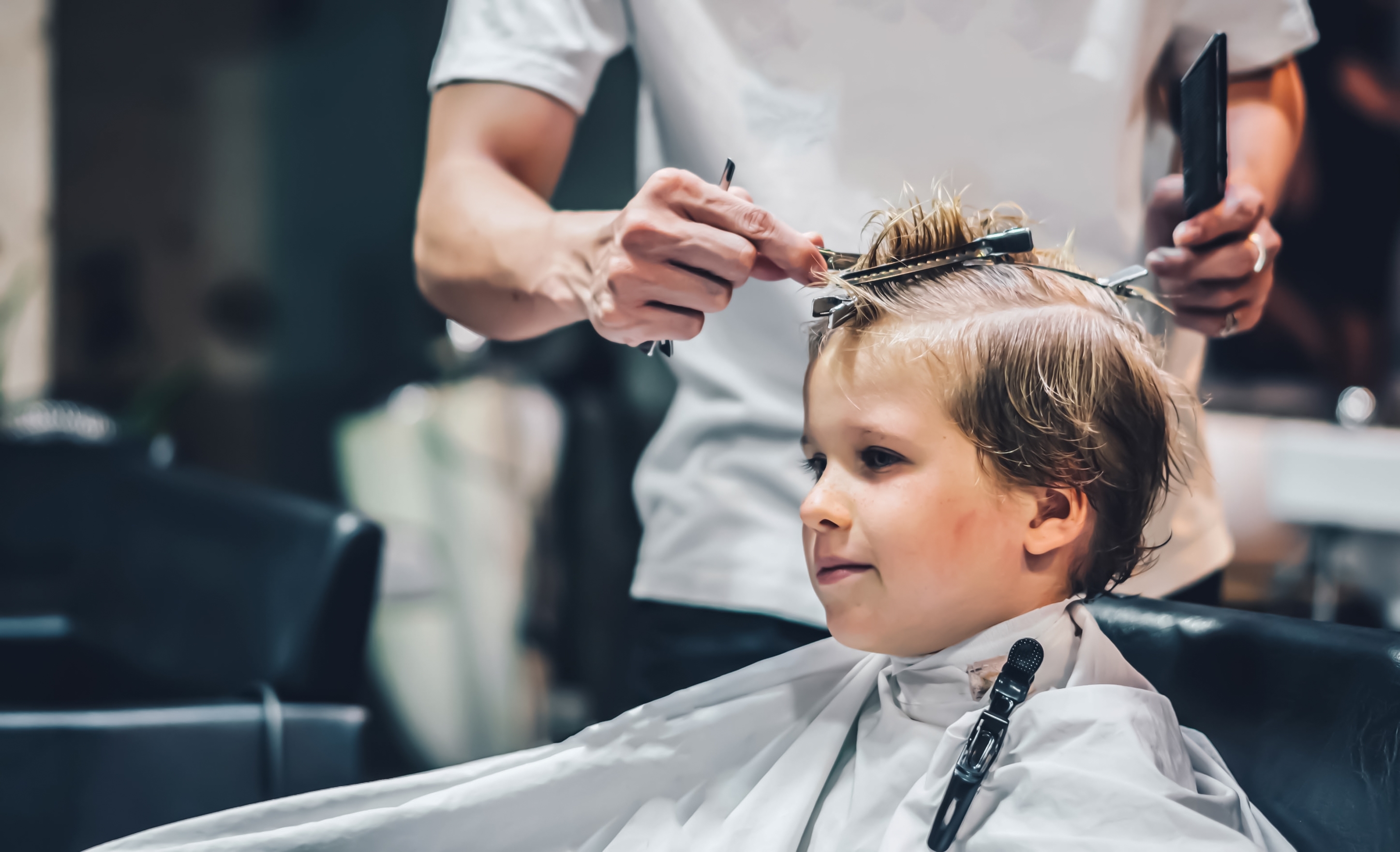
This is the most important part of the entire appointment. Before any cutting happens, your barber should ask what you want and discuss whether it’s achievable with your hair.
Be specific about what you like and don’t like about your current cut. Instead of saying “just clean it up,” try something like “I want to keep the length on top but tighten up the sides” or “the back always sticks out – can we fix that?”
Show your reference photos and ask if the style will work for your hair type. A good barber will tell you honestly if adjustments are needed.
During the Haircut
Speak Up Early
If something feels wrong, say something immediately. Once hair is cut, it’s gone. If your barber is taking the sides shorter than you wanted, a quick “can we leave a bit more length there?” is much easier to address than trying to fix it after the fact.
Most barbers appreciate clients who communicate clearly. They want you to be happy, and they can’t read your mind.
Watch What They’re Doing
Pay attention to the techniques your barber uses. Are they using clippers or scissors? What guard sizes? How are they blending the sides into the top? This information helps you when you’re trying to maintain the cut at home or explain what you want to a different barber in the future.
Ask Questions
Good barbers are happy to explain what they’re doing and why. Ask about products they recommend, how to style the cut at home, and how long you should wait before your next appointment. This is valuable information that most people never think to request.
After the Cut
Don’t Judge Immediately

Haircuts often look different right after they’re done. The hair hasn’t settled, there might be stray hairs poking out, and you’re not used to seeing yourself this way. Give it at least a day before deciding how you feel about it.
Take photos from different angles before you leave the shop. These help you remember what the cut looked like fresh, which is useful for future appointments.
Learn to Style It
Ask your barber to show you how to style the cut, not just describe it. Watch what products they use and how they apply them. Then try to replicate it at home within the first few days while it still looks the same.
If you can’t make it look right after a few attempts, book a quick appointment just for a styling lesson. Many barbers offer this, and it’s worth the small investment.
Maintain the Cut
Most haircuts have a lifespan. Fades might need touching up every 2-3 weeks. Longer styles can go 4-6 weeks. Know your cut’s maintenance schedule and book your next appointment before you leave.
Between cuts, use the products your barber recommended. Cheap products can make even a great haircut look flat or greasy.
Building a Relationship With Your Barber
The best haircuts come from barbers who know your hair. Over time, they learn its quirks – where it grows weird, how much shrinkage to account for, what styles suit your face shape.
Stick with a barber you like. Tip well. Be on time for appointments. These small things build a relationship that pays off in better haircuts.
When Things Go Wrong
Even with preparation, sometimes haircuts don’t turn out right. Here’s how to handle it:
If you notice the problem while still in the chair, speak up immediately. Most barbers will try to fix it.
If you realize it later, go back within a few days. Most shops will do corrections for free or at reduced cost. Be calm and specific about what’s wrong.
If the barber can’t or won’t fix it, find a different shop. Sometimes the fix requires a different skill set, and that’s okay. Hair grows back.
The Bottom Line
Getting a great haircut isn’t luck. It’s preparation, communication, and building a relationship with a skilled barber. Put in the work before you sit in the chair, and you’ll walk out looking exactly how you intended.