
Looking younger through your haircut has gotten complicated with all the marketing and myth flying around. As someone who’s spent years behind the chair watching the right cut take a decade off someone’s face, I learned everything there is to know about this particular magic trick. Today, I will share it all with you.
I’ll be honest — half the transformations I’ve seen in the shop weren’t about fancy techniques. They were about understanding one simple idea: your hair frames your face, and the wrong frame makes any picture look dated.

Why Your Haircut Ages You (Or Doesn’t)
Hair is one of the very first things people notice about you. As we get older, hair thins out, grays, and loses some of that bounce it had at twenty. How you cut and style it either works with those changes or pretends they don’t exist. One approach looks great. The other looks like denial.
But here’s what most people get wrong — looking younger isn’t just about hiding age. It’s about projecting energy. I’ve seen 25-year-olds with dated styles who read as older than 45-year-olds with modern cuts. A haircut that screams 1997 timestamps your entire appearance, regardless of how old you actually are.
Cuts That Actually Take Years Off
For Women
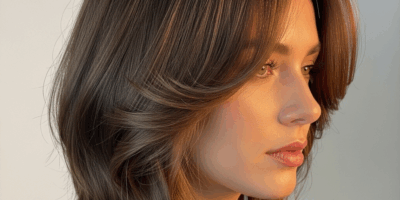
Probably should have led with this section, honestly. Shoulder-length is the sweet spot for most ages. Go too long and hair can look thin and stringy — length without volume just emphasizes what’s been lost. Go too short and some women feel exposed in a way that adds severity to their face.
Soft layers add movement and life. Blunt, harsh lines draw the eye straight to areas affected by aging — jawline changes, neck, whatever. Face-framing pieces soften those transitions beautifully. I’ve had clients tear up in the chair when they see how much difference a few strategically placed layers make.
Bangs are powerful. They hide forehead lines and make your eyes pop. Side-swept bangs are more forgiving than blunt ones though. Blunt bangs demand precise maintenance — grow out by a quarter inch and they look wrong. Side-swept bangs have grace built in.
For Men
Modern beats dated, every time. I don’t care how perfectly maintained your style is — if it’s a cut from two decades ago, it adds years. An updated style signals that you’re present and engaged with the world around you. That reads as younger than any amount of technical perfection on an outdated cut.
A little extra length usually helps. Those ultra-short clips that a lot of older guys default to? They can emphasize thinning spots and make facial aging more prominent. A bit more hair gives you coverage and styling options that soften the overall picture.
Texture over sleekness, always. A textured cut with some movement looks alive. Slicked-back and rigid looks… don’t. Movement signals vitality. Stillness signals the opposite.
The Color Question
Gray isn’t automatically aging. I need to say that clearly because so many people panic at the first silver strand. HOW you handle gray determines whether it helps or hurts.
Solid, obvious dye jobs age you more than the gray did. Nothing screams “I’m fighting time” louder than unnaturally uniform color on a face that tells a different story. For women, dimensional color with highlights blends gray naturally and looks intentional rather than desperate. For men, strategic gray blending beats full coverage every day of the week.
That’s what makes well-placed gray endearing to us stylists — a salt-and-pepper look that’s maintained and intentional often reads as MORE attractive than either fully gray or fully dyed. It’s confident. Confidence looks young.
Styles That Add Years
Dated cuts are the biggest culprit. The hairstyle that defined your best decade can become a time capsule if you never evolve past it. If you’re still wearing the same cut you had in your wedding photos from twenty years ago, it’s not classic. It’s frozen.
The “I’ve given up” cut — pure function, zero style — adds years too. It signals disengagement with your appearance. Some effort communicates that you care about being present. That energy reads as young.
And the overcorrection — grabbing whatever’s trending among twenty-somethings — backfires spectacularly. Age-appropriate doesn’t mean boring. It means honest. There’s a massive difference between “updated and modern” and “trying too hard,” and everyone can spot it instantly.
Maintenance Is Youth
Regular trims keep everything looking fresh. An overgrown cut always looks older than a maintained one, regardless of style. The discipline of consistent appointments projects self-care, and self-care reads as youthful.
Healthy hair trumps everything else. If coloring has destroyed your hair’s condition, consider cutting off the damage and starting over. Short, shiny, healthy hair looks younger than long, dull, damaged hair. Always. Health signals vitality, and vitality signals youth.
Working With Your Stylist
Tell them straight up: “I want to look younger.” A good stylist hears this request constantly and knows exactly what to do for your specific face and hair type. But be ready for honest feedback — the best ones won’t give you an age-inappropriate cut just because you asked.
Bring reference photos of people roughly your age whose style you admire. Not photos of twenty-year-old models. Find inspiration in a realistic range. Your stylist can translate “I like this vibe” into something that works for YOUR face and hair.
Trust their expertise when they suggest modifications to your vision. They see what works and what doesn’t every single day. That experience is literally what you’re paying for.

Stay in the loop
Get the latest find my haircut updates delivered to your inbox.